Are you wondering how to start ecommerce without any prior experience? Maybe you’ve heard about people making money online, building businesses from their laptops, or becoming digital nomads and now you’re ready to see what it’s all about.
Good news: starting an ecommerce business today is easier than ever, even if you’ve never done it before.
In this guide, we’ll walk you through every step from choosing your niche and setting up your store to finding products and making your first sale. Whether you’re doing this as a side hustle or aiming for full-time income, this article will help you go from idea to income.
Let’s dive in.

What Is Ecommerce (And Why You Should Care)?
Ecommerce simply means selling products or services online.
Instead of running a physical store with rent, employees, and inventory, you sell through a website. Platforms like Shopify, WooCommerce, or Sellvia allow anyone to start an online business with just a few clicks.
Why Ecommerce Is a Great First Business:
- Low startup costs (no need to rent space or hold inventory)
- Work from anywhere, even from your phone
- Scalable – grow from part-time to full-time income
- Automated tools to handle fulfillment, shipping, and customer service
You don’t need to be tech-savvy or have a marketing degree. You just need the right tools and steps and that’s exactly what this guide is for.
Step 1: Understand the Basics of Ecommerce
Before you jump in, let’s cover some key ecommerce terms:
- Niche: A specific market or category you’ll focus on (e.g., pet products, fitness gear, skincare).
- Platform: The software where you’ll build your store (e.g., Shopify, Sellvia, WooCommerce).
- Fulfillment: How your products are packed and shipped.
- Dropshipping: A model where you sell products without holding inventory – a supplier ships the items directly to your customer.
![How To Start An Ecommerce Business in 10 Simple Steps [Guide]](https://sellvia.com/wp-content/uploads/2022/01/cover_Start-an-ecommerce-business-in-10-steps.png)
You’ll see these terms a lot, so it’s good to know them now.
Step 2: Choose a Profitable Niche
One of the most common mistakes beginners make is picking the wrong niche. Don’t just sell what you like – look for what people are already buying.

How to Pick the Right Niche:
- Passion + Demand: You should enjoy it, but it must have buying potential.
- Solve a problem: Products that help people save time, feel better, or fix a problem tend to sell.
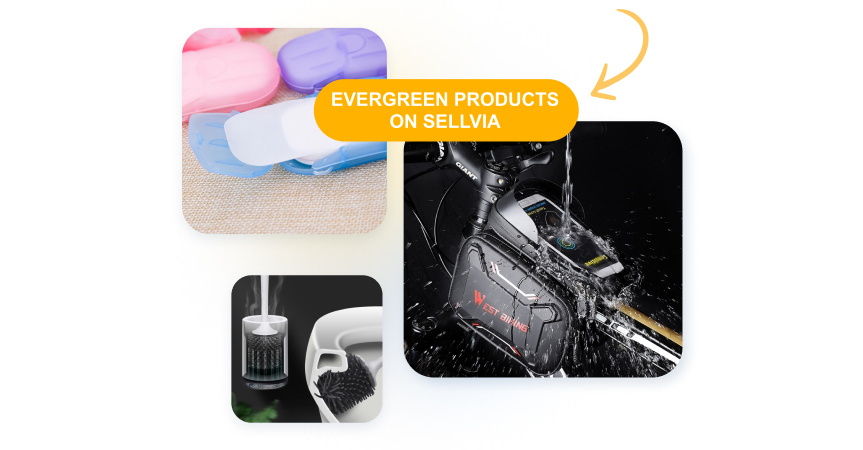
- Evergreen or trending: You can go for stable markets (like skincare) or trending ones (like pet tech).
- Avoid overly saturated markets (unless you have a strong brand angle)
Examples of Winning Ecommerce Niches
Choosing the right niche is the foundation of a successful ecommerce business. The good news? You don’t have to guess.
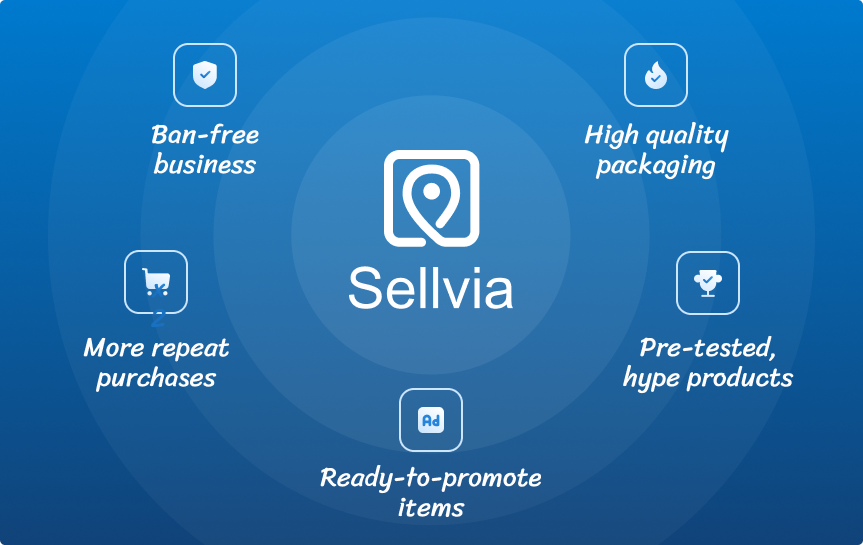
Sellvia offers professionally curated product packages for each niche, filled with in-demand, high-quality products that are already proven to sell. This means you’re not starting from scratch – you’re starting with a competitive edge.
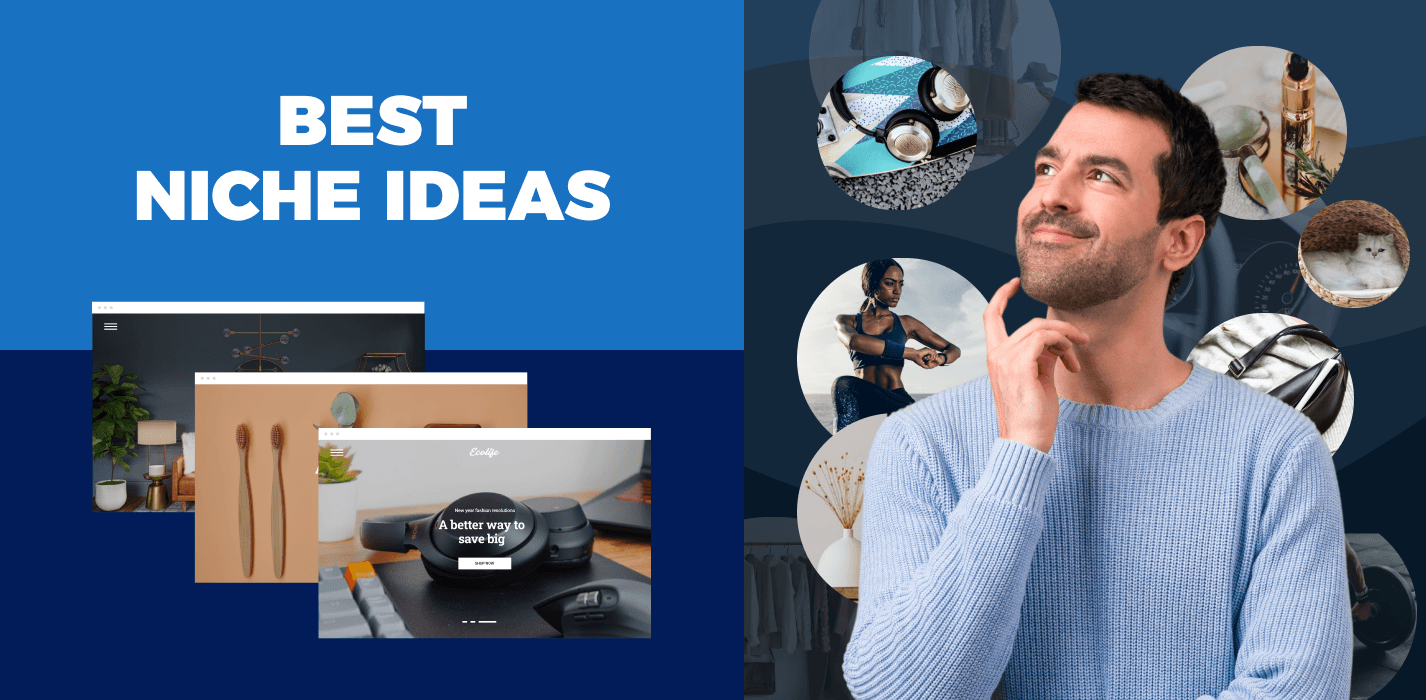
Here are some of the top-performing niches for new ecommerce entrepreneurs in 2025, along with real stats and income potential.
1. Home & Garden
Why it works: People are constantly upgrading their homes from cozy lighting to smart gadgets and creative décor. During economic downturns, home improvement actually spikes as people spend more time indoors.
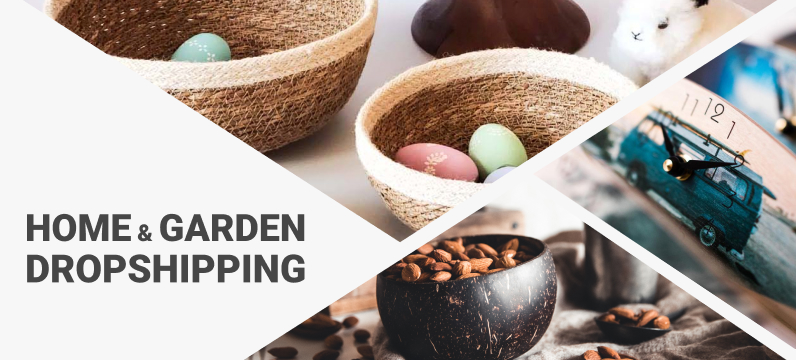
Home & Garden Fortune Bundle:
- Tap into the booming $16 billion+ market
- Year-round sales potential
- Includes FREE high-converting store design
- Top dropshippers in this niche earn $2,000–$10,000/month
-
Eco-Friendly Gadgets
Why it works: Shoppers are becoming more environmentally conscious, especially millennials and Gen Z. Eco products are no longer “niche” – they’re mainstream and sell fast when positioned well.
Sellvia’s 1,000 Planet-Friendly Products Ready to Sell package:
- 1,000 planet-friendly products
- Evergreen profitable niche
- Packed with purpose and profit potential

Eco-friendly products have gone from niche to mainstream, and that trend isn’t slowing down anytime soon. In fact, many eco-focused ecommerce stores report profit margins of 30–50%, thanks to strong demand and perceived product value.
The global eco-friendly products market is projected to reach $336 billion by 2027, making it a massive opportunity for new store owners. Plus, eco content goes viral fast on platforms like TikTok and Instagram, giving you a powerful edge in social media marketing and brand growth.
3. Baby & Parenting Products
Why it works: Parents are always looking for safe, practical, and smart solutions for their kids and they’re willing to pay for quality. It’s one of the most evergreen ecommerce niches.

Sellvia’s Trending Essentials for Kids and Babies with Store Design:
- 1,000 always in-demand kids and baby products
- Adorable store design as a BONUS
- Top stores in this niche earn $5,000–$25,000/month

This niche offers strong return customer potential and a high trust factor, especially when you offer products that truly make their lives easier. In 2025 alone, U.S. baby product sales are expected to exceed $16 billion, making it a lucrative space for new ecommerce entrepreneurs who want long-term growth.
4. Car Accessories
Why it works: Car owners love upgrading their ride with affordable, practical, or stylish gear. From phone mounts to car organizers, these items are highly giftable and frequently bought.

- Many car accessory dropshippers make $3,000–$12,000/month
- The U.S. automotive accessories market is worth over $50 billion annually
- Great for bundling and upselling strategies
5. Personalized Pet Items
Why it works: Pet owners treat their furry friends like family and they love to spoil them. Personalized and emotionally-driven products sell extremely well, especially around holidays.
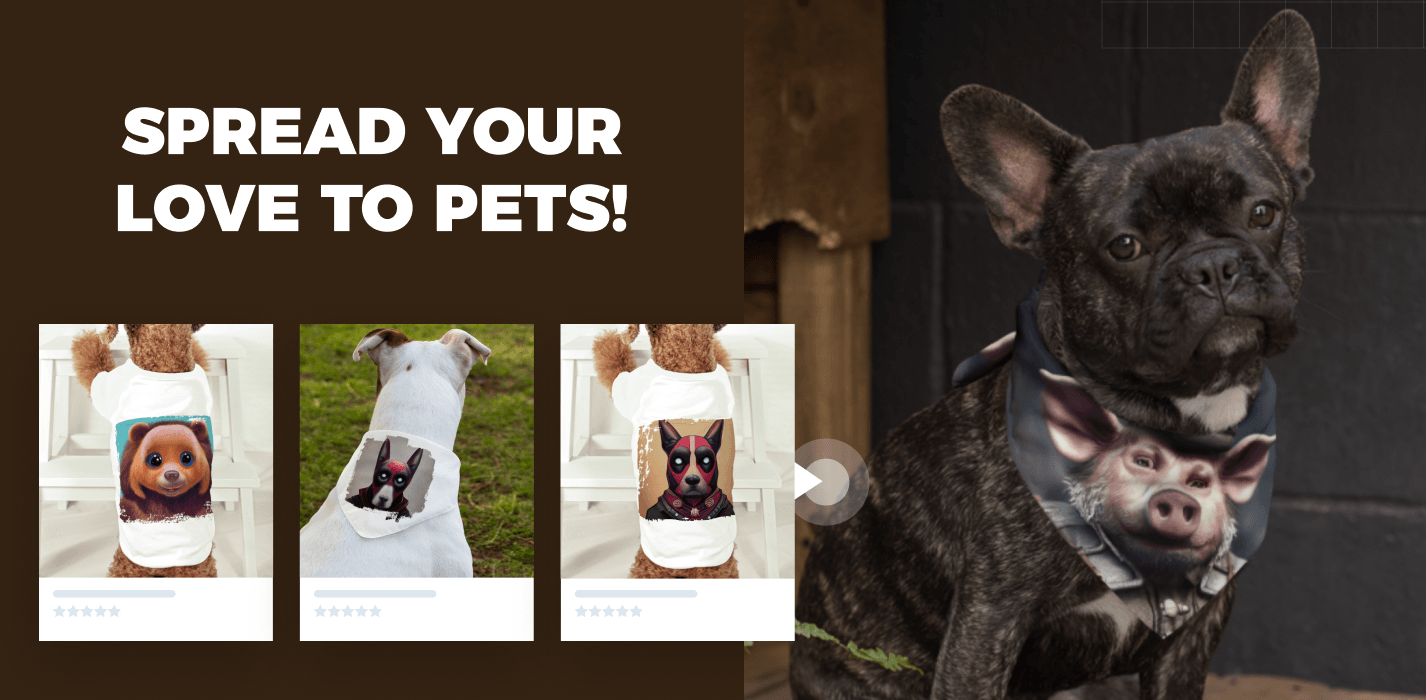
- Top pet product sellers see $4,000–$20,000/month
- The pet product ecommerce market will surpass $50 billion in 2025 in the U.S. alone
- Personalized items create emotional connection and viral buzz
Why Niche Packs Matter (Especially for Beginners)
Each of these Sellvia product packs saves you hours of research, trial-and-error, and supplier hunting. You get:
- A ready-made catalog of winning, high-demand items
- Professional product descriptions, photos, and video ads
- Optimized selections that are already tested by other top sellers
- Fast 1–3 day U.S. shipping to delight your customers
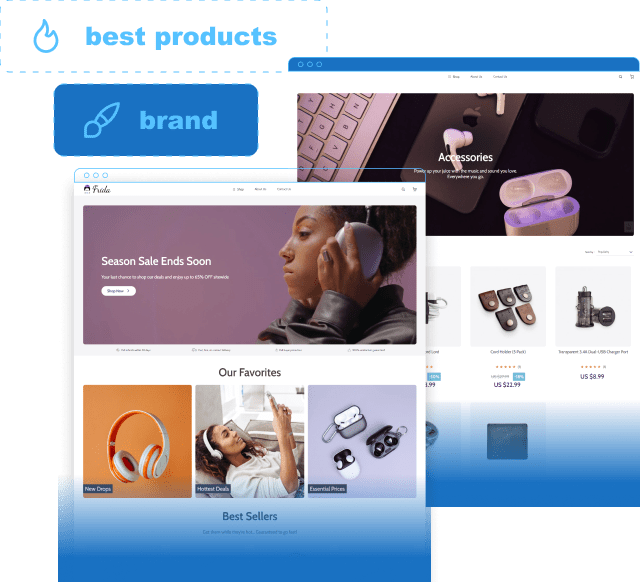
You don’t need to be a product expert – Sellvia’s team of ecommerce pros does the heavy lifting for you, so you can focus on launching and scaling your store.
Step 3: Set Up Your Ecommerce Store
Now that you’ve picked a niche, it’s time to build your online store.
What You’ll Need:
- A domain name (yourstore.com)
- An ecommerce platform (we recommend Sellvia for beginners – it includes store setup, products, marketing tools, and U.S. shipping)
- A design theme (clean, mobile-friendly, fast)
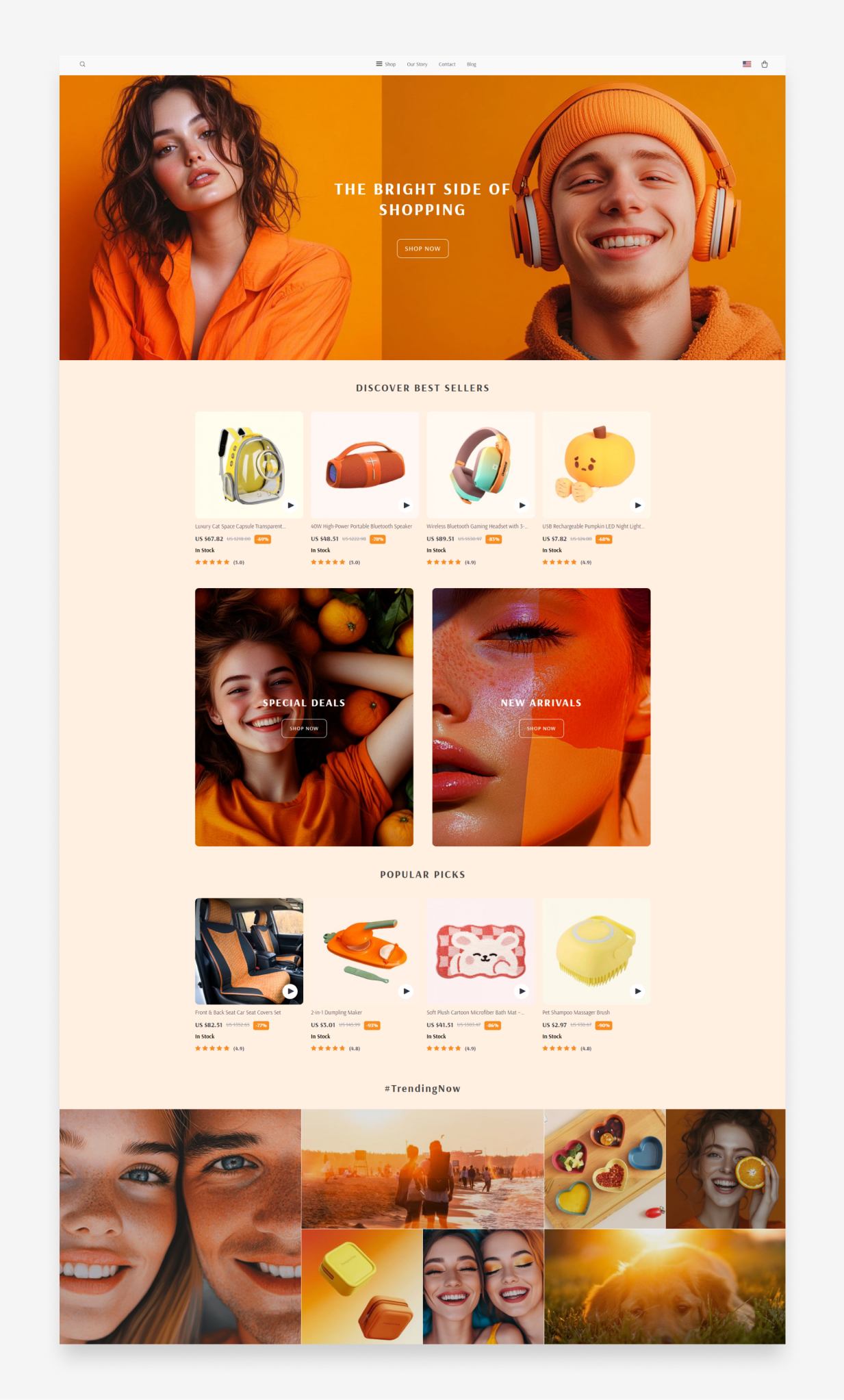
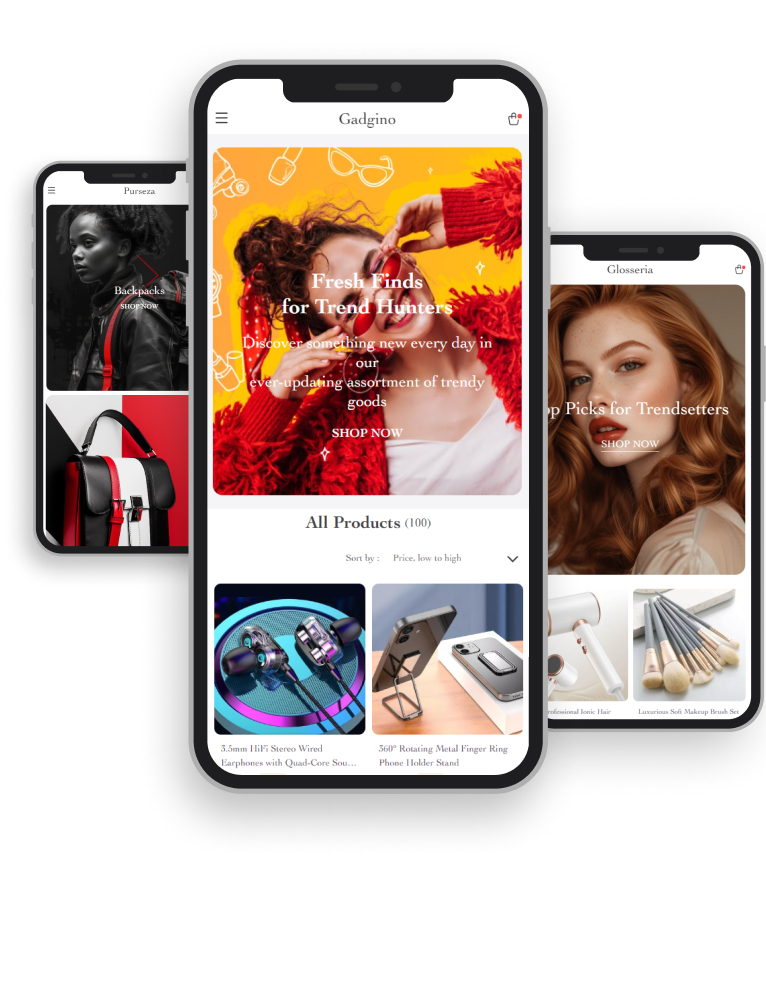
Sellvia is great because it offers an all-in-one solution: your store comes preloaded with products, marketing materials, and even designs tailored to your niche.
Step 4: Add Winning Products
The next step is adding products your customers will love and buy.
What Makes a Product “Winning”?
- Eye-catching visuals (scroll-stopping images or videos)
- Solves a clear problem
- Emotional appeal (giftable, fun, or self-improving)
- Low competition + high perceived value
- Fast shipping (ideally 3 days or less in the U.S.)
With dropshipping, you don’t need to buy inventory up front. You only pay when someone buys from your store and your supplier handles shipping.
With Sellvia, you can access thousands of U.S.-based, fast-shipping products ready to import with one click – no guesswork required.
Step 5: Set Up Payment & Shipping
Now let’s get you ready to accept orders.
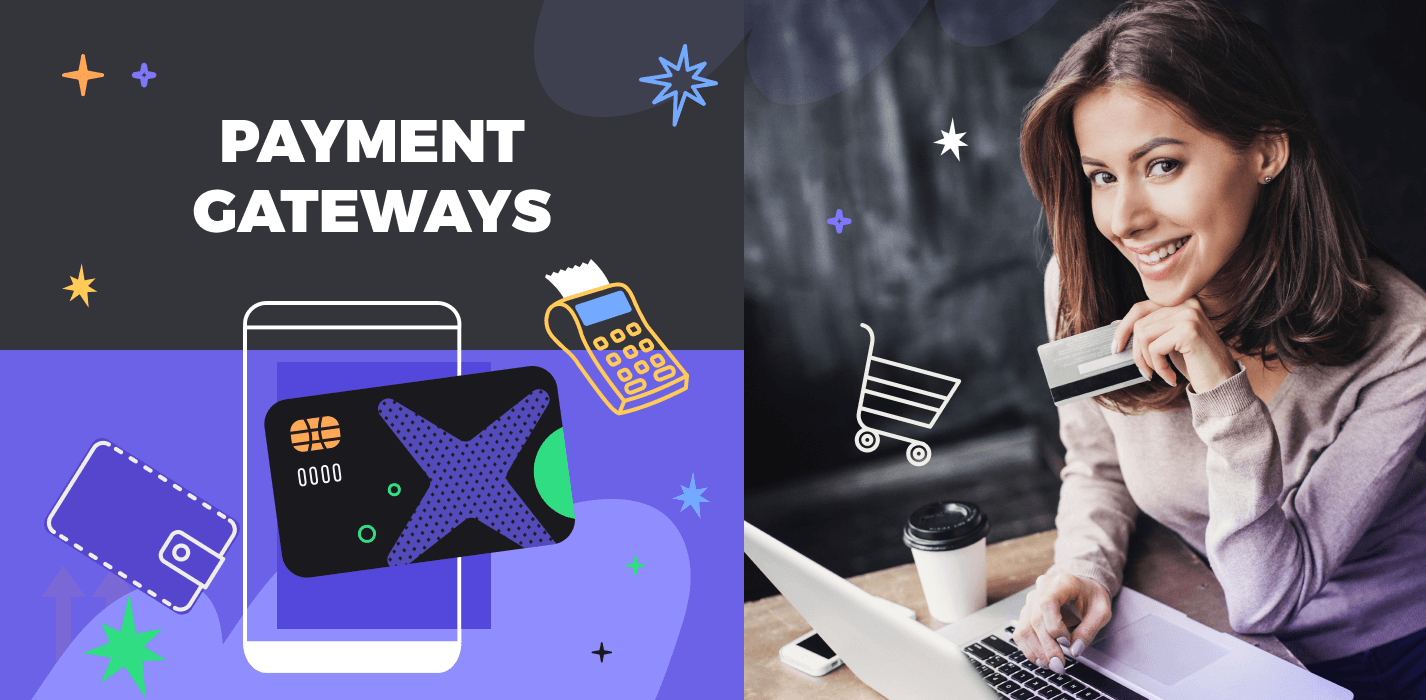
Set Up Your Payment Gateway
Choose a secure method to accept payments:
- Stripe
- PayPal
- Shop Pay
- Sellvia’s built-in checkout
Offer Transparent Shipping Options
Today’s customers want speed. That’s why using a U.S.-based suppliers like Sellvia gives you a massive edge. 1–3 day delivery = more trust = more sales.
Step 6: Launch Your Store and Get Traffic
Here’s where most new ecommerce owners get stuck: they build a store… but don’t get visitors.
No traffic = no sales. Even with the best products and a beautiful website, if no one sees it, you won’t make money.

So, how do you actually get people to your store?
Top Traffic Sources:
- Social media (Instagram, TikTok, Facebook, Pinterest)
- Influencer marketing (partner with creators in your niche to promote your products)
- Paid ads (Facebook Ads, TikTok Ads, YouTube Shorts)
- Content marketing (blog posts, SEO, YouTube reviews and tutorials)
If you’re starting on a tight budget, focus on organic content first. Posting 2–3 times a day with trending audio, product showcases, and viral hashtags can bring in your first visitors fast.
And if you want to speed things up even more – Sellvia has you covered.
Social Media Marketing Made Simple
Sellvia gives you a ready-to-go Social Media Marketing Tool that makes creating content easy and effective, even if you’ve never made a video before.

Instead of filming or editing yourself, you get access to professionally made video content tailored for TikTok, Instagram, and YouTube – all built to sell.
- Tap into a 4.8 billion+ global social media audience
- Stores using this content see a 60% boost in sales
- Grow your customer base up to 7x faster with regular posting
- All content is plug-and-play – just download, post, and watch the views roll in
You don’t need to go viral on your own. The content is already designed to catch attention and build trust from the first second.
Want Even More Sales? Let Sellvia Run the Ads for You
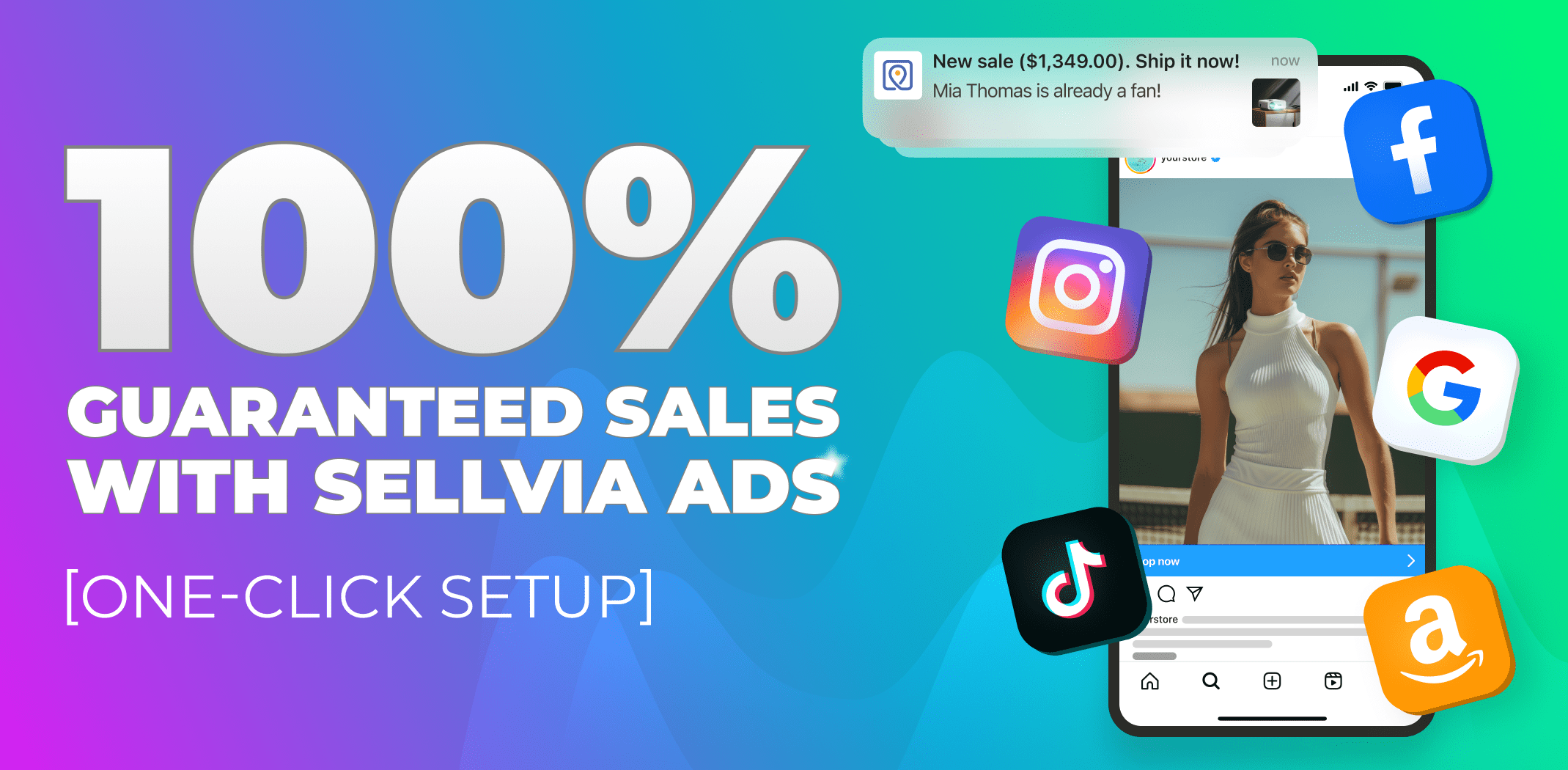
Not ready to learn Facebook Ads or Google Shopping? No problem. Sellvia Ads is a fully automated service that promotes your products across the top 5 advertising platforms:
- Amazon
- Google
- Facebook
- TikTok

You don’t have to write copy, design creatives, or manage ad accounts. Sellvia handles it all – based on data, trends, and best-performing strategies.
- Guaranteed profits – sellers earn $250–$300 for every $100 spent
- Reach billions of potential buyers on the world’s biggest platforms
- Zero setup required – no ad testing, no analytics, no stress
- Ads are optimized to match your niche and product catalog
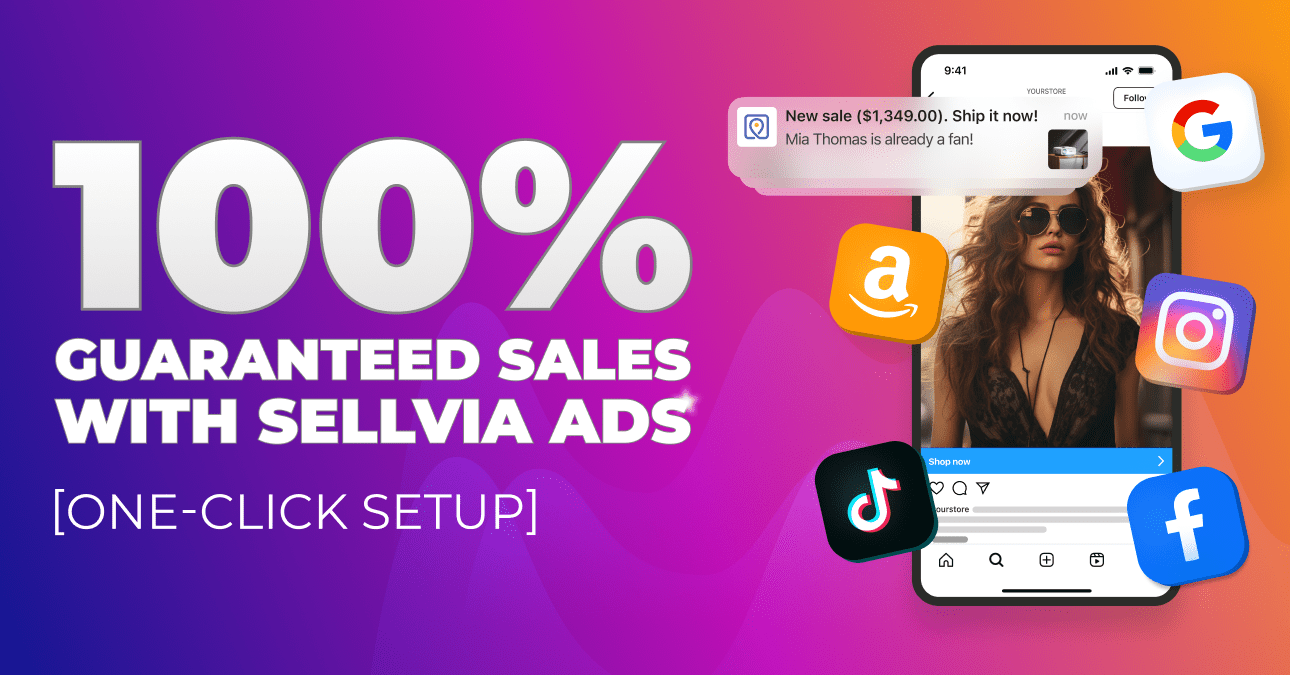
With this service, even total beginners can drive high-quality traffic and make real sales without the usual learning curve.
Step 7: Optimize and Improve Your Store
If you’re learning how to start ecommerce, one of the most important things to understand is that your first version won’t be perfect and that’s totally normal.
Many beginners think success happens overnight, but the truth is, profitable ecommerce stores are built through constant testing, tracking, and tweaking. Once your store is live and getting traffic, your next focus should be optimization, improving every part of your business based on real data.
Why This Step Matters
You’ve already done the hard work of launching your store. But now it’s time to make it better every week, based on what your visitors are actually doing on your site.
This is where many store owners go from a few sales to consistent income – simply by learning what works and doubling down on it.
What You Should Track
Here are the key metrics and tools to keep an eye on as you grow:
- Traffic
Use tools like Google Analytics and your ecommerce platform’s dashboard to track how many people are visiting your store, where they’re coming from (TikTok? Facebook?), and what pages they’re spending time on.

- Conversion rate
This is the percentage of visitors who actually make a purchase. If 100 people visit your site and 3 buy something, that’s a 3% conversion rate, which is considered average to good.
![From 0 to $60K/Mo With Sellvia [Ecommerce Case Study]](https://sellvia.com/wp-content/uploads/2021/07/revenues-with-Sellvia-min.png)
- Best-selling products
Identify which products are getting the most attention and sales. These are your stars and you’ll want to feature them more prominently in ads, social media posts, and your homepage.
![From 0 to $60K/Mo With Sellvia [Ecommerce Case Study]](https://sellvia.com/wp-content/uploads/2021/07/sellvias-catalogue-min-min.jpg)
- Ad performance
If you’re running ads (or using Sellvia Ads), track click-through rates (CTR) and return on investment (ROI). Are you making more than you’re spending? Which ads are getting the most clicks or purchases?

Pro Tip for Beginners Learning How to Start Ecommerce
When you’re just figuring out how to start ecommerce, it’s easy to get overwhelmed with numbers and dashboards. But you don’t need to analyze everything – just focus on the basics:
- Are people visiting your site?
- Are they buying?
- What’s making them click?
Use that insight to guide your next steps. Growth in ecommerce is a process, not a one-time event. And thanks to platforms like Sellvia, you don’t have to guess – your store’s backend provides all the data you need in a simple, visual format.
Step 8: Scale Your Ecommerce Business
Once your store is generating consistent traffic and sales, the next step in how to start ecommerce is learning how to scale or grow your business to generate more revenue without adding more hours to your day.
Scaling isn’t about working harder – it’s about working smarter. You’ve already validated your niche, found winning products, and made some sales. Now it’s time to take what’s working and multiply it.
How to Scale Your Ecommerce Store
Scaling can look different depending on your niche, goals, and budget. Here are some of the most effective ways to grow your store:
1. Increase Ad Spend on Top-Performing Products
Once you’ve identified which products bring the highest return, increase your advertising budget on those items. Whether you’re using Facebook, TikTok, or Google Ads (or Sellvia Ads), doubling down on your best-sellers can quickly boost your income.
2. Launch Upsells, Bundles & Email Campaigns
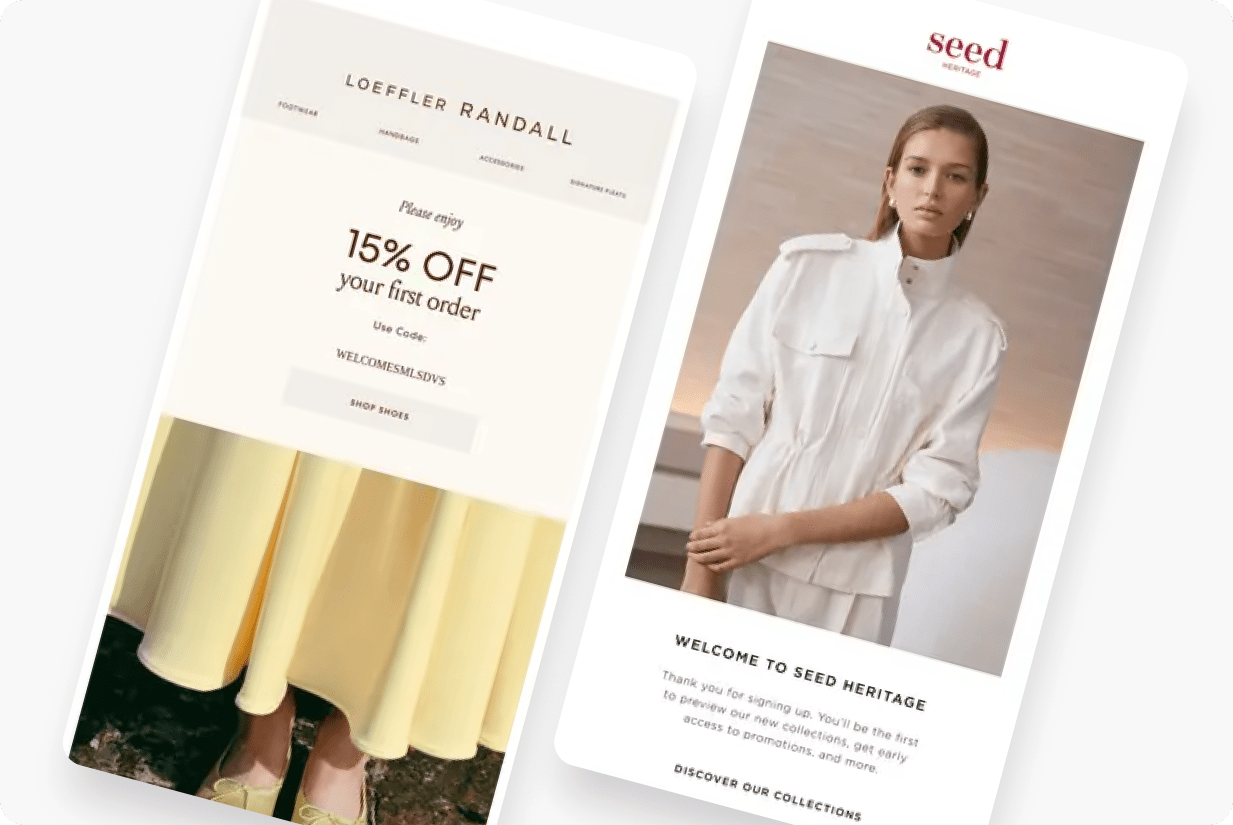
Start offering bundles (e.g., buy 2, get 1 free), upsells (offer a premium version of a product), or create email flows that remind customers of abandoned carts, offer discounts, or suggest related products. This helps increase your average order value without new traffic.
3. Expand Your Product Line
Use customer feedback and sales data to expand into related products. If your best-seller is a pet grooming brush, try adding pet shampoos, collars, or travel kits. Sellvia’s weekly product updates make this process simple – just one click to add hot new items to your store.
4. Partner with Influencers in Your Niche
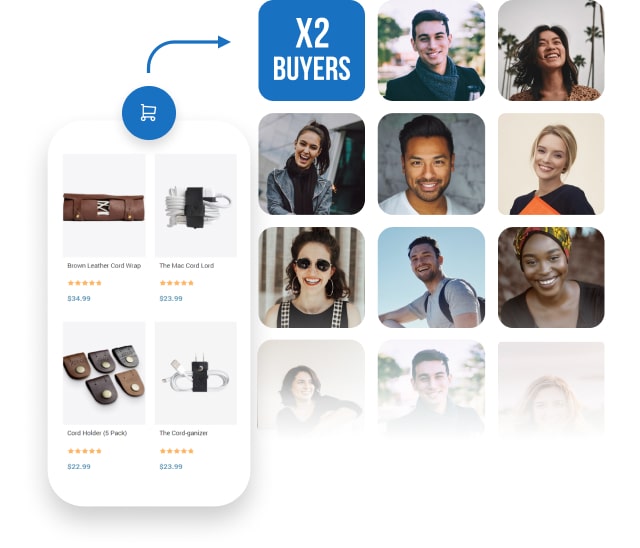
Influencer marketing is a great way to reach warm, ready-to-buy audiences. Partner with micro-influencers who align with your niche. You can offer free products in exchange for reviews, videos, or shoutouts that drive traffic and boost trust.

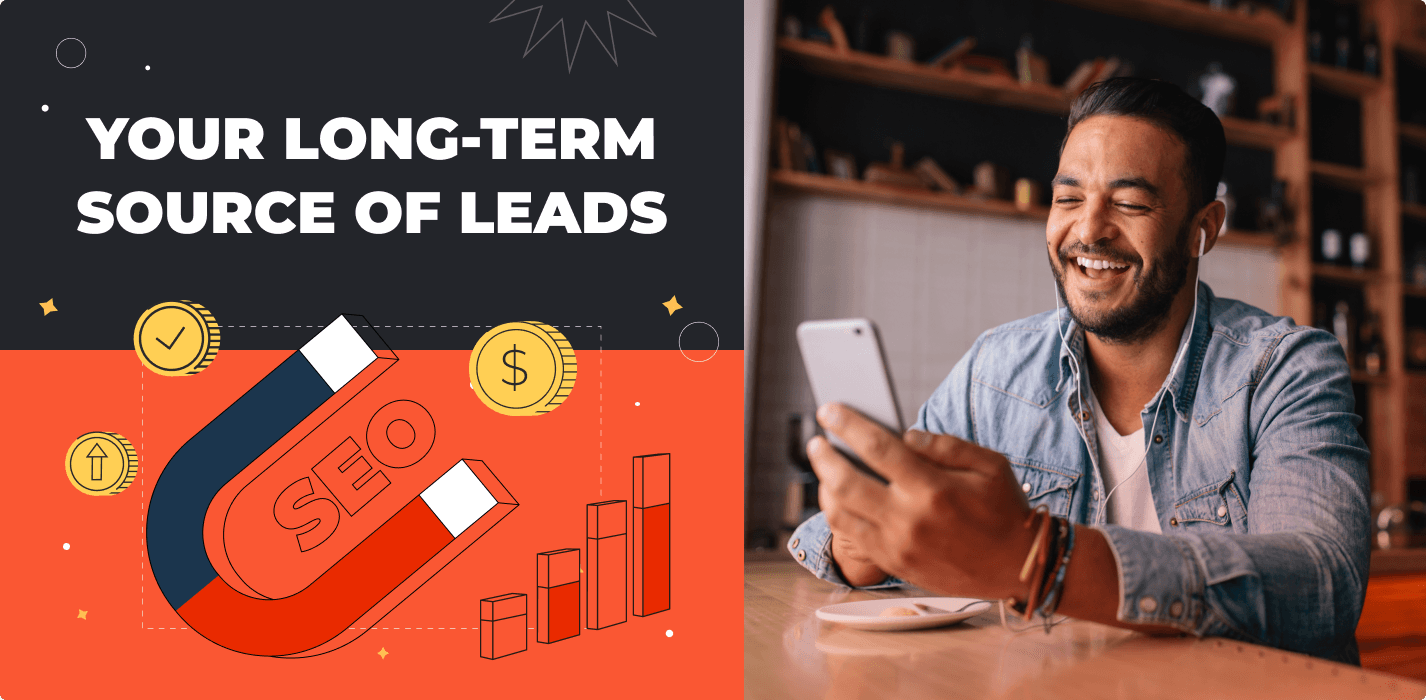
5. Improve Store Design & SEO
Make your store look more professional and easier to navigate. Upgrade your homepage, add customer reviews, and speed up your website. At the same time, optimize product descriptions and blog content to improve your search engine rankings – a powerful long-term growth strategy.
How Sellvia Makes Scaling Easier
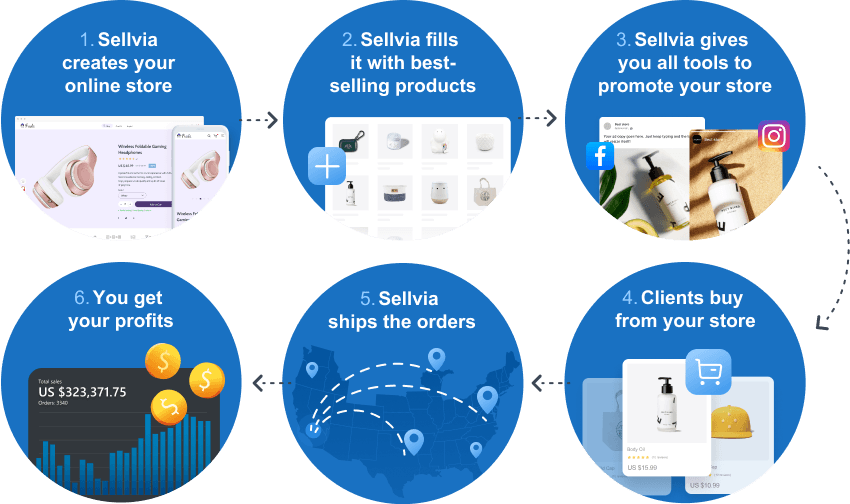
If you’re learning how to start ecommerce, it’s easy to feel overwhelmed by the idea of scaling. But if you’re using an all-in-one platform like Sellvia, the heavy lifting is already taken care of:
No inventory headaches
Sellvia handles product storage, packaging, and fast U.S. shipping – you don’t have to stock anything or deal with logistics.
![Sellvia Dropshipping Solution – [From A to Z]](https://sellvia.com/wp-content/uploads/2025/06/cover_Sellvia-Dropshipping-min.jpg)
New product ideas weekly
Sellvia adds fresh, high-converting products to their catalog all the time, so you can test new offers without guessing.
![Best Dropshipping Products [Weekly Updates]](https://sellvia.com/wp-content/uploads/2024/09/Banner-min.png)
Automated fulfillment & customer service
You sell, Sellvia ships – it’s that simple. This allows you to focus on marketing and growth while the backend is fully automated.
Built-in tools for email, social media, and ads
Sellvia provides done-for-you video content for social platforms and even offers a fully automated ad service that promotes your products on Amazon, Google, Facebook, Instagram, and TikTok – no setup or ad knowledge required.
Common Mistakes to Avoid When Learning How to Start Ecommerce
If you’re figuring out how to start ecommerce, you’re already ahead of many people just by doing research. But even with the right tools and guidance, beginners often make a few common mistakes that can slow down progress or lead to frustration.
The good news? These mistakes are completely avoidable, especially if you know what to look out for. Below are some of the most common pitfalls new store owners face and how you can steer clear of them as you build your ecommerce business.
Mistake #1: Picking a Niche With No Demand
One of the first and most damaging mistakes beginners make when learning how to start ecommerce is choosing a niche based solely on personal interest without checking if there’s actual demand.
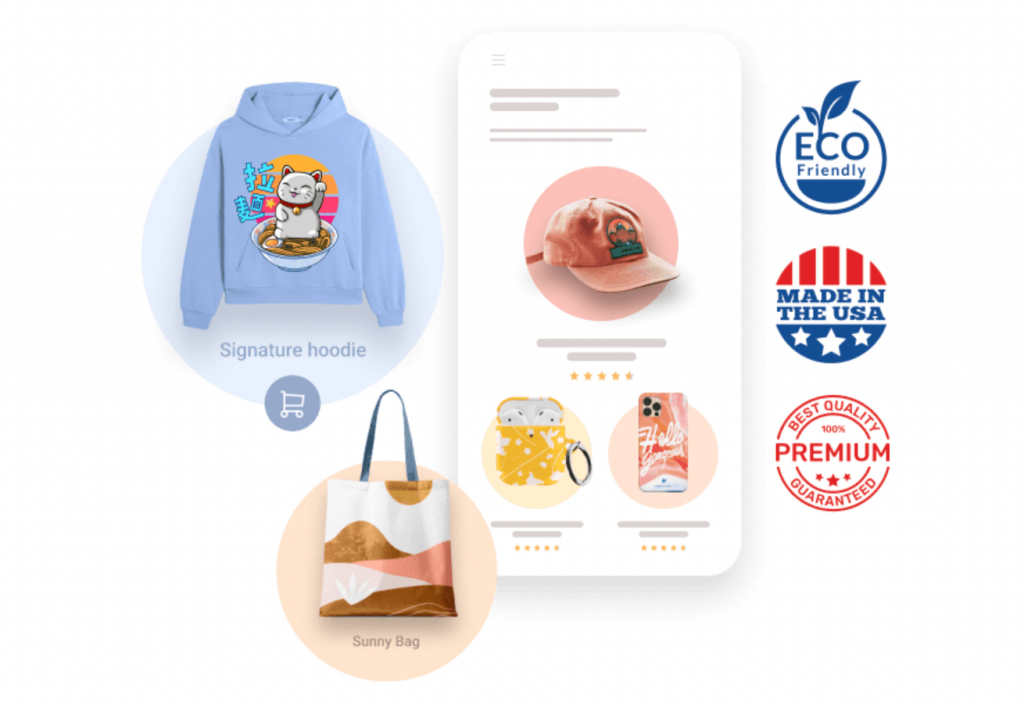
Yes, passion helps, but your niche also needs a ready audience of buyers. Before you commit, do some research:
- Use Google Trends to see if people are searching for products in that niche
- Check marketplaces like Amazon, Etsy, or TikTok Shop to see what’s trending
- Explore Sellvia’s niche-specific product packs to find categories with proven demand
Remember: You’re not just building a store – you’re solving a problem for real people. That’s what sells.
Mistake #2: Trying to Do Everything Manually
When you’re just getting started, it’s tempting to try doing everything yourself – from product research and importing to order fulfillment and ad management. But trying to handle it all manually can burn you out fast and lead to costly errors.

One of the biggest advantages of tools like Sellvia is that they let you automate the hard stuff, including:
- Product sourcing and importing
- Order fulfillment and shipping (from U.S. warehouses)
- Ad creation and promotion across Amazon, Google, Facebook, TikTok, and Instagram
If you’re serious about learning how to start ecommerce the smart way, lean on automation. It frees up your time so you can focus on growth and strategy, not busywork.
Mistake #3: Ignoring Store Design
Another rookie mistake is underestimating how much store design affects trust and sales. If your site looks cluttered, slow, or outdated, customers will leave, even if your products are amazing.
Think of your store like a real storefront: Would you walk into a messy, disorganized shop with bad lighting? Probably not.

Here’s how to make your ecommerce site look professional from day one:
- Use a clean, modern layout with clear product images
- Make sure it’s mobile-friendly (most traffic comes from phones!)
- Load time should be fast – every second counts
- Add social proof, like reviews and testimonials
- Include clear return policies, shipping info, and contact details
If you’re using Sellvia, your store design is already handled by pros, so you don’t have to worry about layout, responsiveness, or performance. That’s a huge plus when you’re figuring out how to start ecommerce with confidence.
You Don’t Need Experience to Start Ecommerce
If you’ve made it this far, you already know how to start ecommerce from scratch. You don’t need a background in marketing. You don’t need to invest thousands of dollars. You just need a system that works and the drive to make it happen.
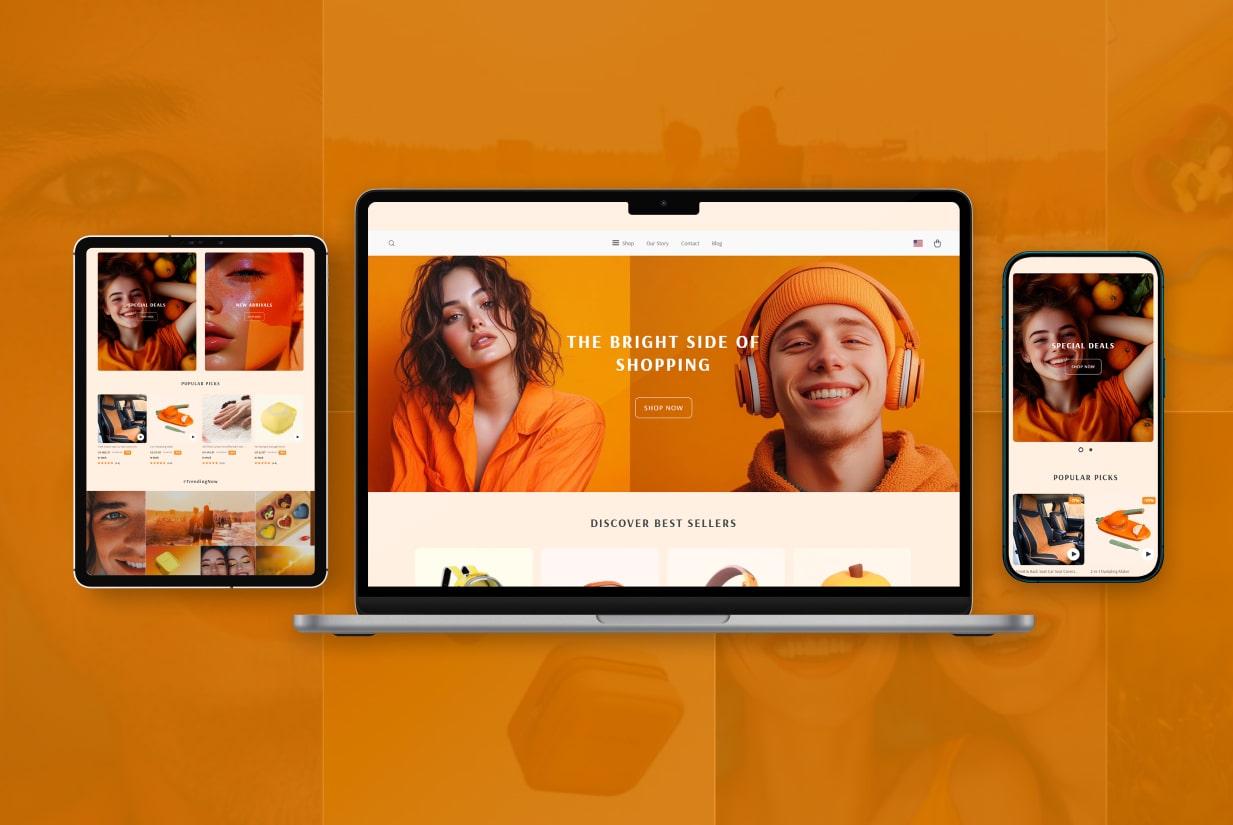
And that’s where Sellvia comes in.
Ready to Start? Launch Your Sellvia Store & Get $100 to Start!
If you’re serious about starting your ecommerce business with no experience, Sellvia is the easiest way to get started.
✅ Your store – built for you
✅ Hot-selling U.S. products – preloaded
✅ Ads & marketing tools – included
✅ Fast 1–3 day U.S. shipping
✅ Zero inventory or upfront product costs
You’ve got the guide. You’ve got the tools. Now it’s time to take action.